In 1430, the Portuguese had already mastered sugar production, but the alembic didn’t reach Brazil until the late 16th century. Over the next two centuries, they dominated the Atlantic, with sugar production becoming economically crucial.
Small sugarcane farmers in Brazil began shaping the history of cachaça, helping it gain global recognition. Legend says cachaça originated accidentally when enslaved Africans left sugarcane juice to ferment overnight. To avoid punishment, they mixed fresh juice with the fermented liquid and boiled it. The alcoholic vapor condensed and dripped from the ceiling, earning the name “pinga” from the Portuguese verb pingar (“to drip”).
Cachaça Evolves
Over Time
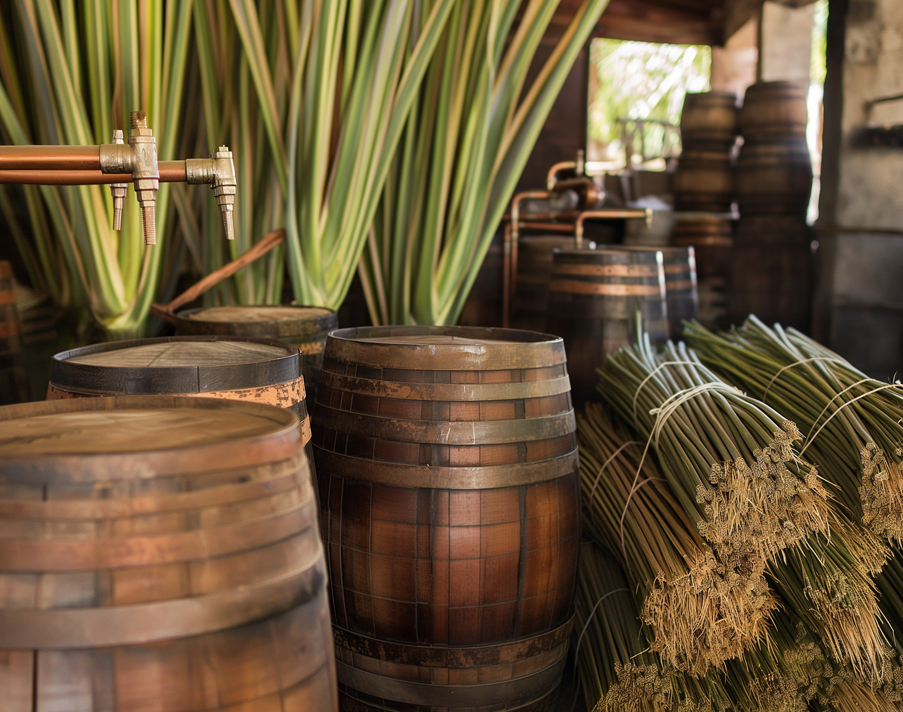
Alembic cachaça (craft or artisanal cachaça) has evolved, and the production of the beverage has reached a new level of excellence, particularly when it comes to the distillation process, that has a very meticulous separation of undesirable components, with the exclusive utilization of the heart of the distillate.
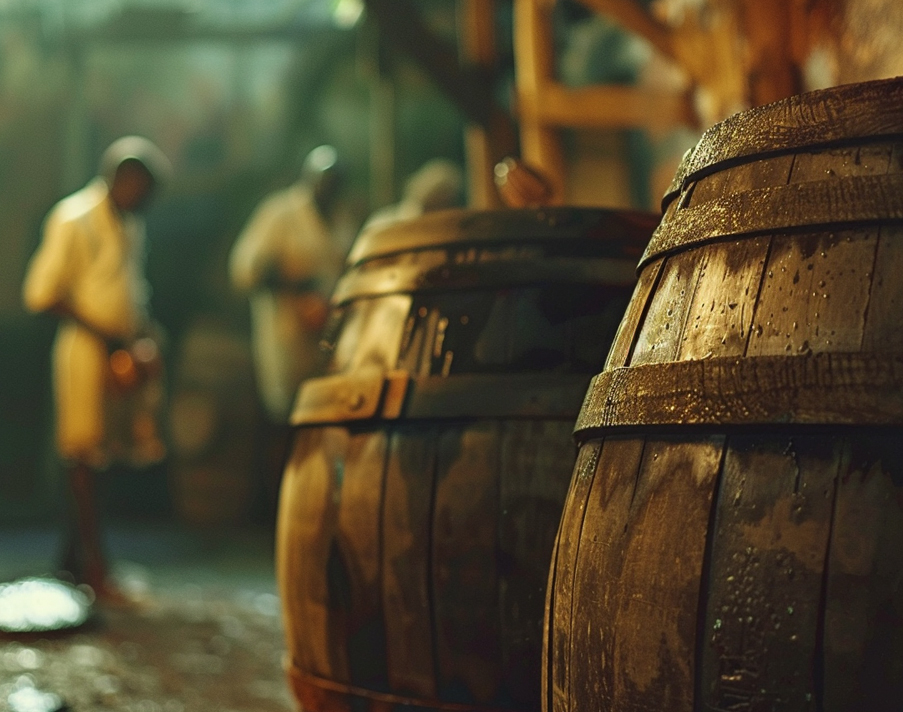
The spirit is aged and matured in barrels of more than 30 types of wood, such as Oak, Amburana, Amendoim-Bravo, Jequitiba-branco, and others, for purposes of sophisticating the flavor and standardizing our cachaça.
Our principals of
Stewardship
Rio 40° is all about taking care of our shared world and implements green practices to do as much.
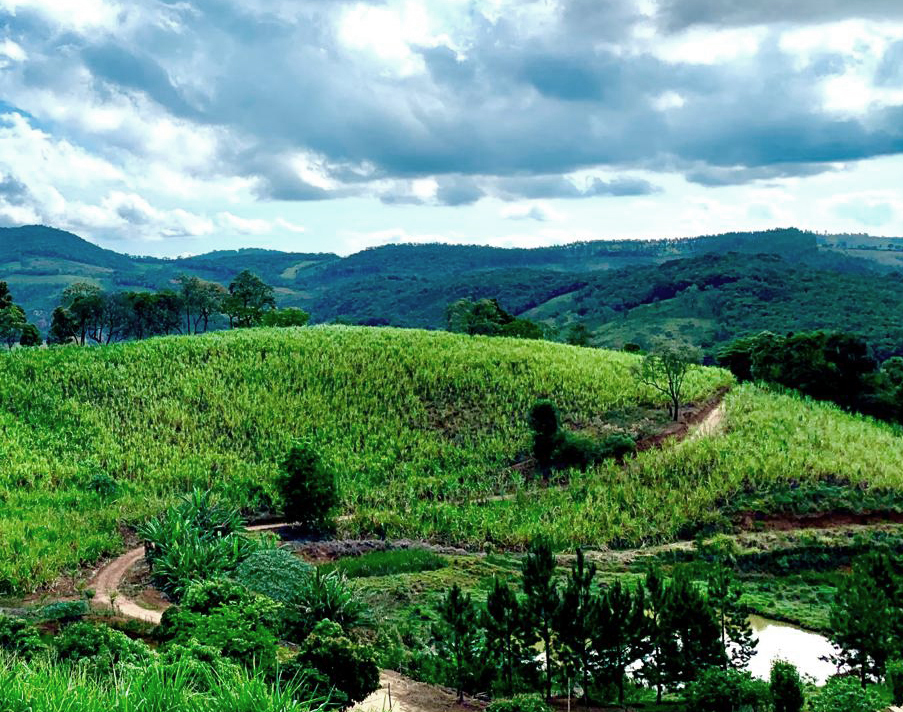
Measures include utilizing renewable energy sources, using sustainably, locally sourced raw materials, reducing water waste, and using recycled materials at the distillery and in packaging.
Preserving the
Rainforest
Lorem ipsum dolor sit amet, consectetur adipiscing elit, sed do eiusmopor incididunt ut labore et doexercitation ullamco laboris nisi ut aliquip emmodoconsequat. Duis aute irure dolor in reprehenderit in voluptate velit esse.
For every bottle of Cachaca Rio 40° purchased, 51 goes towards the ‹name of program> effort to preserve rainforests around the world